
Mouth Breathing vs. Nose Breathing: What It's Doing to Your Lungs (And How to Fix It)
Picture this: you wake up with a parched mouth, your throat raw, and a vague fatigue clinging to you like morning fog. You've slept eight hours, yet your body feels starved for air. Sound familiar? If you're among the millions grappling with asthma flare-ups, sleep apnea episodes, or breathlessness during workouts, the culprit might be staring you in the face—or rather, slipping past your nose. Mouth breathing vs. nose breathing isn't just a quirky habit; it's a silent saboteur reshaping your respiratory health from the inside out.
Eons of evolution wired us for nasal breathing, yet modern life—stress, allergies, poor posture—has many defaulting to the mouth. The result? A cascade of issues undermining lung function, oxygen delivery, and overall vitality. But there's a proven fix: the Buteyko Method, a system that retrains your breath to nasal-only patterns, slashes over-breathing, and builds vital CO2 tolerance. Let's uncover the damage and chart the path to relief.
The Insidious Damage of Mouth Breathing
Mouth breathing bypasses the nose's genius engineering, delivering cold, dry, unfiltered air straight to your lungs. This onslaught irritates delicate airways, sparking inflammation and mucus buildup. But the real villain is over-breathing—the unconscious habit of pulling in too much air volume.
When you mouth breathe, you lose carbon dioxide (CO2) faster than it's produced. CO2 isn't waste; it's a regulator. Low levels trigger the Bohr Effect: hemoglobin clings tighter to oxygen, starving tissues despite ample air intake. Airways constrict, bronchioles narrow, and your lungs work harder for less reward. Chronic mouth breathers often report tighter chests, wheezing, and that perpetual "not enough air" feeling.
Dryness and the Over-Breathing Trap
- Unhumidified air desiccates lung linings, fostering infections and asthma triggers.
- Excessive airflow dumps CO2, constricting blood vessels and reducing oxygen unloading.
- Result: Poor respiratory health, fatigue, and heightened sensitivity to exercise-induced breathlessness.
Nasal Breathing Benefits: Your Lungs' Built-In Guardian
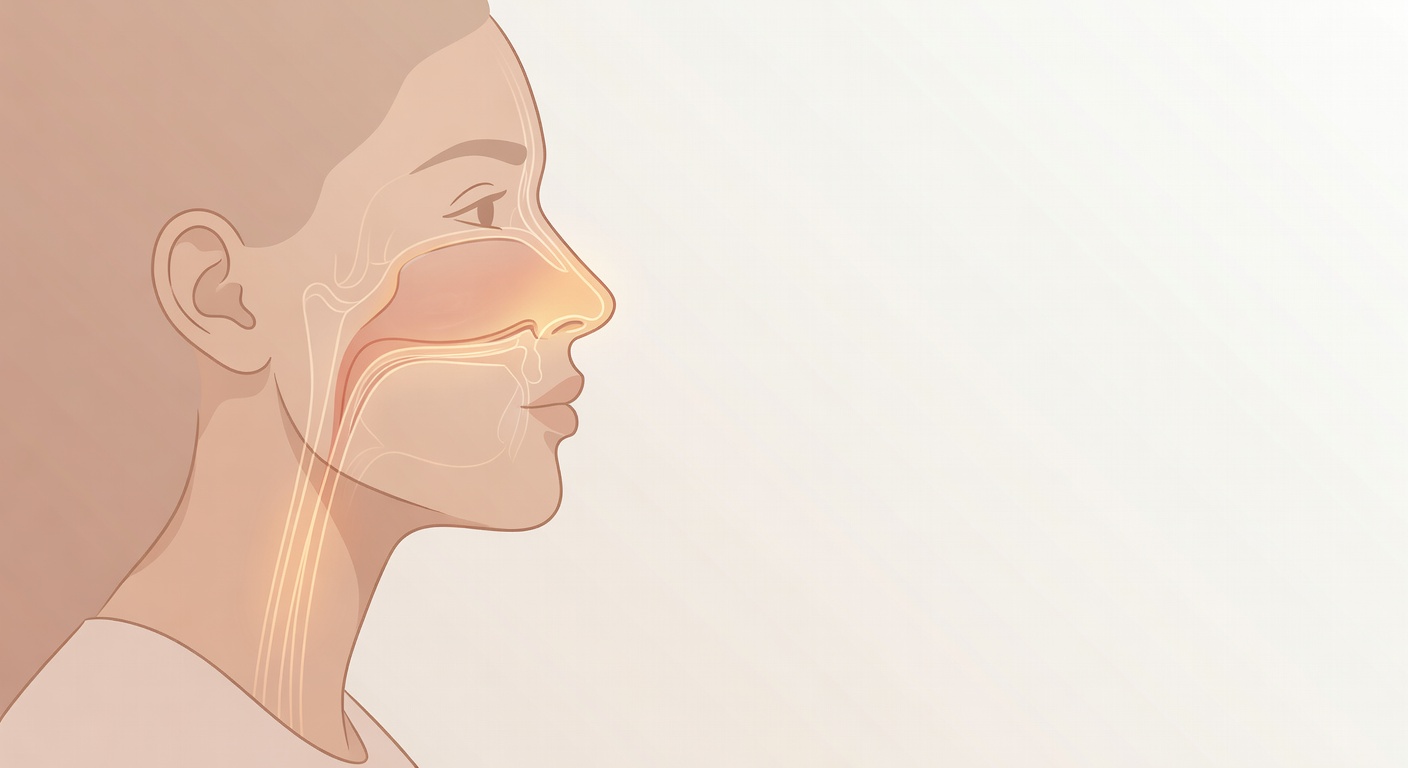
Switch to nose breathing, and nature's filtration system springs to life. Nasal passages warm and humidify incoming air to body temperature, shielding lungs from shock. Tiny hairs and mucus trap dust, pollen, and pathogens—benefits mouth breathing obliterates.
The nose imposes gentle resistance, naturally curbing air volume to physiological norms. This preserves CO2 levels, optimizing the Bohr Effect for superior oxygen delivery. Plus, nasal breathing releases nitric oxide, a vasodilator that relaxes airways, boosts lung capacity, and fights inflammation.
Nose breathing isn't optional—it's your respiratory system's default for peak efficiency, fostering nasal breathing benefits that transform respiratory health.
Why Mouth Breathing Hits Asthma, Sleep Apnea, and Exercise Hardest
For asthma sufferers, mouth breathing's dry assault exacerbates spasms; low CO2 tolerance amplifies attacks. Nasal breathing stabilizes CO2, delivering asthma relief through calmer airways.
Sleep apnea thrives on mouth-open slumps—over-breathing disrupts sleep cycles, worsening apnea events. Retraining to nasal-only patterns provides sleep apnea help by maintaining airway tone and CO2 balance overnight.
Athletes chasing peak performance falter with mouth breathing; it tanks CO2 tolerance, spiking breathlessness mid-stride. Building tolerance via nasal methods unlocks endurance, turning gasping sprints into steady flows.
The Buteyko Method: Retrain for Lasting Respiratory Health
Enter the Buteyko Method, developed by Ukrainian physician Konstantin Buteyko to combat over-breathing's toll. This isn't about forcing change—it's science-backed retraining emphasizing nasal breathing only, reduced breathing volume, and CO2 tolerance elevation.
Master the Control Pause: Your CO2 Tolerance Gauge
The cornerstone exercise: the Control Pause (CP). Sit comfortably, breathe normally through your nose. At the end of an exhale, pinch your nose and hold until the first distinct urge to breathe arises—not discomfort, just the gentle signal. Time it. Under 20 seconds? Low tolerance, prone to symptoms. Aim to extend via daily practice.
- Breathe lightly and slowly through the nose, feeling air move gently.
- Slightly reduce volume—imagine sipping air, not gulping.
- Practice 10-15 minutes daily; CP will climb, symptoms fade.
Buteyko's reduced breathing dismantles the over-breathing trap, widening airways, easing oxygen flow, and fortifying lungs against triggers. Users report profound shifts: asthma relief, quieter nights, boundless exercise stamina.
Breathe Right, Live Better—Start Today
Mouth breathing vs. nose breathing boils down to survival of the fittest breath. Ditch the dry chaos for nasal harmony, and watch your lungs reclaim their power. The Buteyko Method isn't a quick gimmick—it's a lifelong upgrade to respiratory health.
Ready to tape that mouth shut (figuratively, at first) and unlock nasal breathing benefits? Dive deeper into the Buteyko Method at /method. Your first deeper breath awaits—not bigger, but smarter.
